Regulatory Impacts on Promotional Slot Access Through Mobile Platforms Across Canadian Jurisdictions
Written by Uma Lorenz · Sep 11, 2026
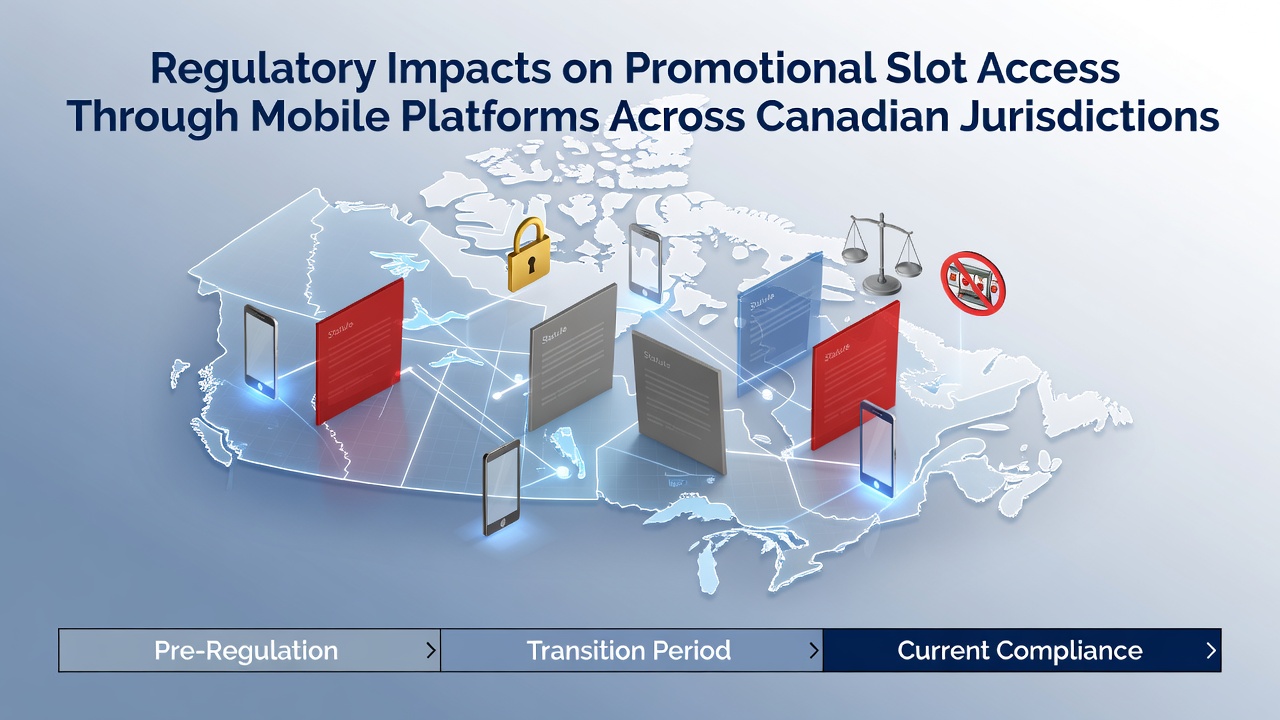
Regulatory Impacts on Promotional Slot Access Through Mobile Platforms Across Canadian Jurisdictions
Canadian provinces maintain distinct regulatory frameworks that shape how operators deliver promotional slot access via mobile platforms, and these rules create varied landscapes for players seeking bonus features and free spin opportunities. Each jurisdiction applies its own licensing requirements, age verification standards, and advertising restrictions that directly influence mobile app functionality and promotional availability. Observers note that operators must navigate these differences carefully since a single national standard does not exist.
Provincial Licensing Structures and Mobile Access Rules
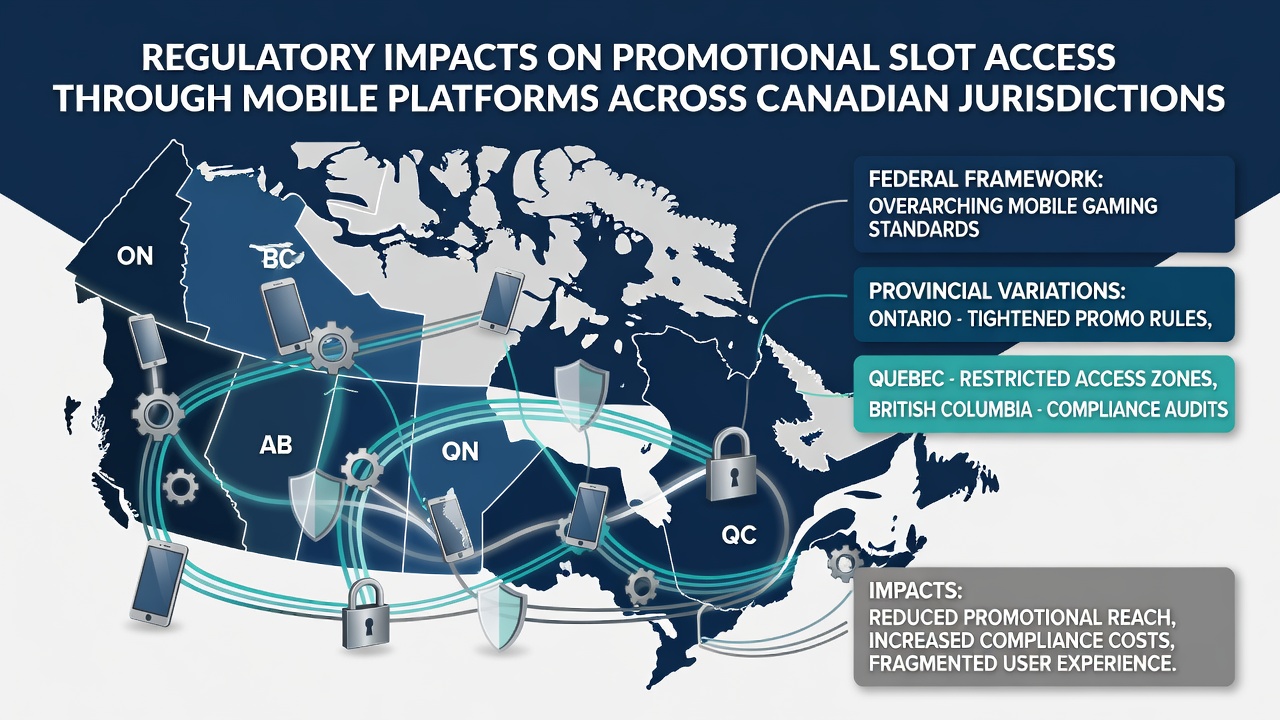
Ontario operates under the Alcohol and Gaming Commission of Ontario which mandates specific approvals for mobile gaming applications before any promotional content reaches users, and this process includes detailed reviews of bonus mechanics that affect slot access. British Columbia relies on the British Columbia Lottery Corporation to oversee similar mobile promotions while Quebec enforces rules through the Régie des alcools des courses et des jeux that emphasize strict separation between promotional offers and core gameplay elements. Alberta and Saskatchewan follow their own provincial gaming authorities that require operators to register mobile platforms separately when offering slot-related incentives.
Data from industry reports indicate that these licensing layers often delay the rollout of new mobile promotions by several weeks as each province conducts independent assessments, and this staggered approach means users in one region may gain access to certain slot bonuses weeks before residents in neighboring jurisdictions. Research conducted by provincial gaming bodies shows that mobile-specific regulations focus heavily on geolocation verification to ensure promotional slot access remains confined to legal boundaries.
Advertising Restrictions and Promotional Delivery
Rules governing how operators advertise promotional slot access through mobile channels differ sharply across provinces, with some requiring pre-approval of all bonus messaging while others focus on post-launch audits. In Ontario, for example, promotional materials must clearly disclose wagering requirements and eligibility criteria before users can claim mobile slot offers, whereas British Columbia places greater emphasis on preventing targeted advertising to minors through app-based channels. These variations force operators to customize mobile interfaces for each province, which increases development costs but ensures compliance with local standards.
Studies from gaming research institutions reveal that provinces with stricter advertising controls experience slower adoption rates of mobile promotional tools, and this pattern holds particularly true for free spin offers tied to slot games. Operators adapt by segmenting their mobile user bases according to provincial residency, which allows them to present compliant promotional content without violating cross-border rules.
September 2026 Regulatory Updates
Beginning in September 2026 several provinces plan to implement updated mobile verification protocols that will further standardize how promotional slot access is granted through apps, and these changes stem from ongoing efforts to align age-gating technologies across jurisdictions. Alberta intends to introduce enhanced location-based restrictions that limit certain bonus features to users within approved gaming zones, while Ontario prepares to require additional transparency reports detailing the distribution of mobile slot promotions. These forthcoming adjustments build on existing frameworks without creating a unified national system, so operators continue to monitor each province independently.
Figures released by regulatory agencies show that mobile platforms already account for a growing share of promotional activity, and the September 2026 updates aim to address emerging issues around cross-platform bonus tracking. Experts tracking these developments point out that provinces like Manitoba and New Brunswick are also reviewing similar measures, although implementation timelines remain separate from the September schedule.
Impact on Operators and User Access Patterns
Operators managing multi-province mobile platforms must maintain separate compliance teams for each jurisdiction, and this structure affects how quickly new slot promotions reach users. Research indicates that provinces with more streamlined approval processes see faster integration of promotional features into mobile apps, whereas regions requiring extensive documentation experience longer lead times. Those who study these patterns note that users often encounter different promotional slot offers depending on their registered province, which creates a fragmented experience across the country.
According to reports from the Alcohol and Gaming Commission of Ontario, mobile promotional compliance audits have increased in frequency over recent years, and similar trends appear in data shared by other provincial bodies. Industry associations have documented how these audits influence the design of bonus structures, leading operators to simplify certain slot promotions to meet varied provincial expectations.
Conclusion
Regulatory impacts on promotional slot access through mobile platforms continue to evolve across Canadian jurisdictions as each province refines its approach to licensing, advertising, and verification. The differences create a complex environment where operators balance compliance with user expectations, and the updates scheduled for September 2026 will add further layers to this landscape. Observers tracking these developments recognize that the absence of a single national standard requires ongoing adaptation by all parties involved in mobile gaming operations.