How Regional Statutes Shape Player Protection Protocols Within Portable Gaming Applications Across Canada's Jurisdictions
Written by Drew Ludwig · Nov 20, 2026
How Regional Statutes Shape Player Protection Protocols Within Portable Gaming Applications Across Canada's Jurisdictions
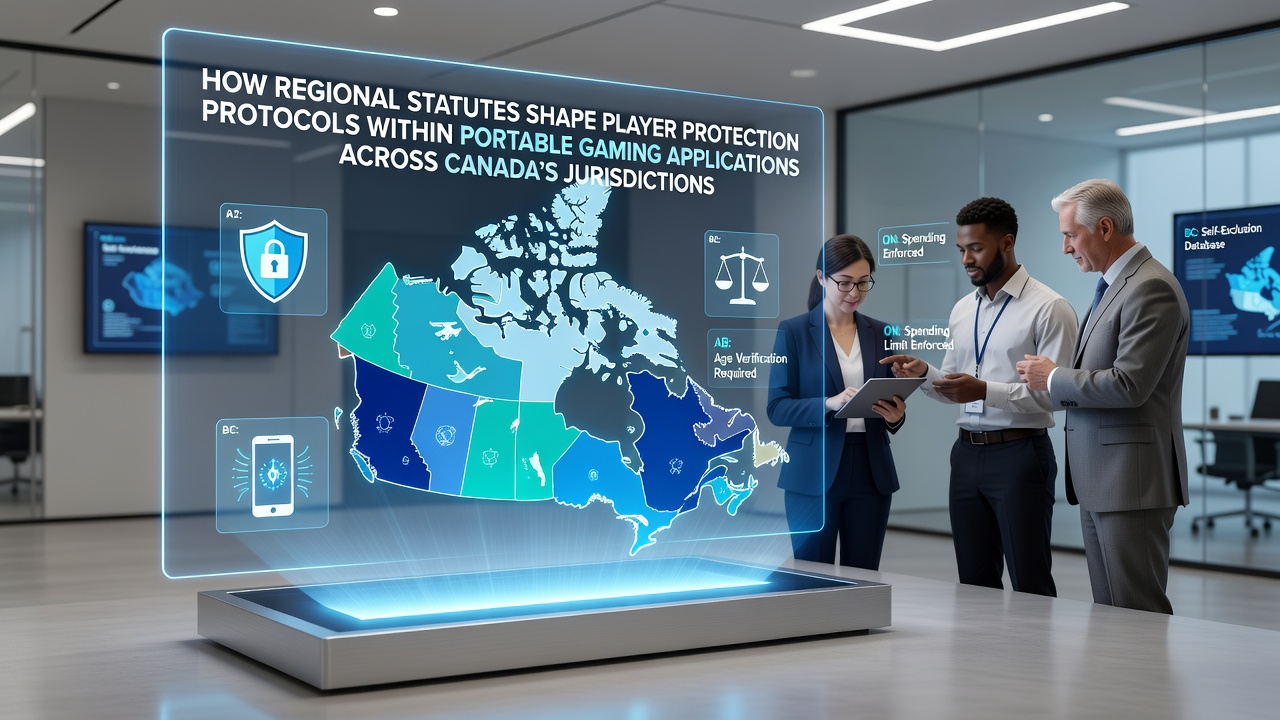
Regional statutes across Canada create distinct frameworks for player protection in portable gaming applications, with each province enforcing its own rules on age verification, deposit limits, self-exclusion programs, and data security measures that developers must integrate into mobile platforms. These variations stem from the division of regulatory authority under the Criminal Code, where provinces hold primary responsibility for licensing and oversight of gaming activities including those delivered through wireless devices.
Ontario's Framework and Mobile Compliance Requirements
Ontario maintains one of the most detailed sets of player protection mandates through the Alcohol and Gaming Commission of Ontario, which requires mobile gaming operators to embed real-time identity verification tools and automated spending caps directly into app architecture. Operators must connect their platforms to a centralized self-exclusion database that updates instantly across all licensed products, ensuring that users who opt out remain blocked regardless of device or location within the province. Research from the Canadian Centre on Substance Use and Addiction indicates that these integrated protocols have led to measurable reductions in unauthorized access attempts during the first two years of iGaming expansion. By November 2026, further updates to the province's digital compliance standards are scheduled to include enhanced biometric authentication standards for all portable applications.
Quebec's Approach to App-Based Safeguards
Quebec's regulatory structure, administered through Loto-Québec and the Régie des alcools, des courses et des jeux, emphasizes strict controls on promotional features within gaming apps while mandating that operators display clear responsible gaming messaging at every login and deposit stage. Provincial statutes require that mobile platforms limit bonus structures to prevent rapid escalation of play, and developers must route all financial transactions through approved processors that flag unusual patterns. Observers note that these rules have prompted several international providers to customize their Canadian app versions specifically for Quebec users, incorporating language options and localized support resources that align with francophone population needs.
British Columbia and Alberta Regulatory Divergences
British Columbia Gaming Policy and Enforcement Branch imposes mandatory loss-limit settings that mobile apps must enforce before users can proceed with real-money play, while Alberta's framework through the Alberta Gaming, Liquor adn Cannabis Commission focuses more heavily on third-party auditing of app algorithms to ensure fair play and transparent reporting of player behavior data. These differences mean that a single gaming application may present varying default protection settings depending on the user's detected province, creating technical challenges for developers who must maintain separate compliance modules. Data from provincial annual reports shows that British Columbia recorded higher rates of voluntary limit adjustments in 2025 compared with Alberta, where emphasis remains on post-play analysis rather than preemptive controls.
Interprovincial Challenges for Developers
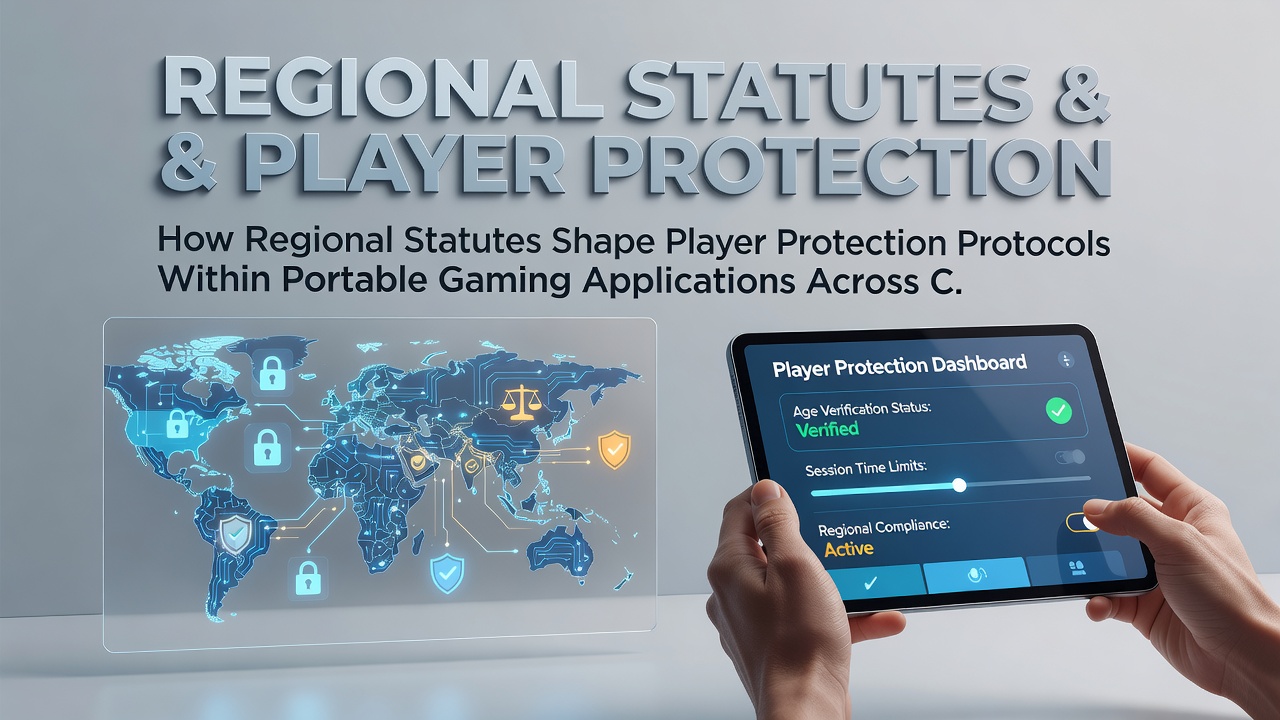
Developers working on portable gaming applications face the task of building modular compliance layers that adapt to whichever provincial rules apply based on user location, a process that often involves geofencing technology combined with ongoing legal review. Those who've studied cross-jurisdictional mobile gaming note that provinces like Saskatchewan and Manitoba, which operate under more centralized models through their respective liquor and gaming authorities, tend to align more closely with federal advertising standards while still retaining unique requirements for player fund segregation. This patchwork approach means that a single update to one province's statute can necessitate code changes across thousands of active app installations.
Emerging Patterns in 2026 and Beyond
As provinces continue to refine their statutes, several working groups have formed to explore greater harmonization of core player protection elements such as age verification standards and responsible gaming tool accessibility. Figures from industry associations reveal that mobile gaming accounts for an increasing share of total wagers, prompting regulators to prioritize app-specific monitoring capabilities that can detect signs of problematic play earlier than traditional venue-based systems. What's interesting is how smaller provinces without dedicated iGaming frameworks often reference larger neighbors' rules when updating their own statutes, leading to gradual convergence on certain technical safeguards even without formal agreements.
Conclusion
Provincial statutes continue to define the boundaries within which portable gaming applications operate, shaping everything from initial user onboarding to ongoing behavioral monitoring across Canada's jurisdictions. These regional differences ensure that player protection protocols remain tailored to local priorities while creating ongoing adaptation requirements for operators and developers alike. Continued evolution of these rules through 2026 and subsequent years will likely focus on technological integration and cross-border consistency where feasible.